Ananta Prime Real Estate Team
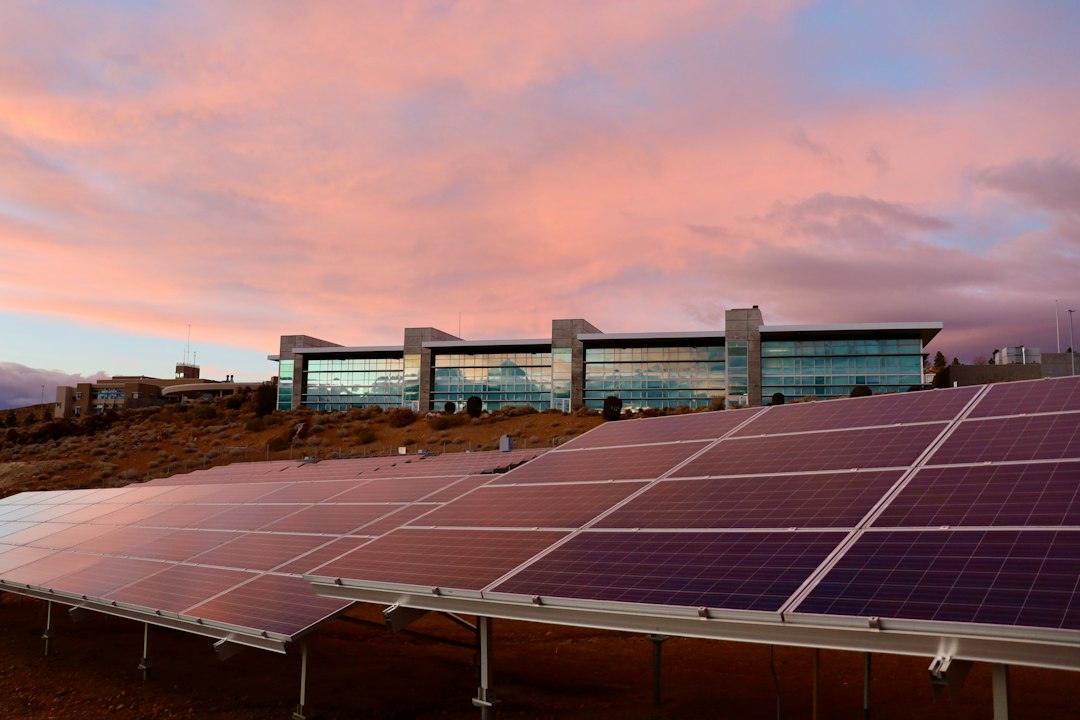
Photo by Manny Becerra on Unsplash
A new report from the International Energy Agency projects that the UAE will become the world's largest generator of solar electricity by 2031. For a market built on long-term infrastructure planning, this kind of projection is worth a closer look, particularly for those watching how Dubai's property sector positions itself for the decades ahead.
Energy infrastructure and real estate are more connected than they might first appear. Large-scale renewable projects require stable government backing, long planning horizons and sustained capital commitment, the same conditions that also underpin major residential and commercial developments. A forecast like this one suggests confidence in the UAE's broader economic planning, which tends to matter to investors assessing risk over a ten or twenty year horizon.
For property buyers, the practical relevance may show up gradually. Developers are increasingly incorporating energy efficiency and sustainability credentials into new projects, partly in response to tenant and buyer expectations, and partly in line with national energy policy. A country moving toward solar leadership adds weight to that direction of travel, even if the day-to-day impact on utility costs or building codes unfolds over time.
It is also a reminder that Dubai's appeal is not built on property alone. Infrastructure, energy policy and long-term national strategy all feed into how the city is perceived by international investors. None of this changes the fundamentals of a given listing or transaction, but it is useful context when thinking about where the market sits within the bigger picture.
If you would like to talk through what trends like this might mean for your own plans, the Ananta Prime team is happy to have that conversation.
Talk to an Ananta Prime advisor and get a free, no-obligation valuation or investment plan tailored to you.
Talk to an Advisor